The Pentagon has authorized the Department of Homeland Security (DHS) to test a military-grade weapon known as a “heat ray” for potential use along the U.S.-Mexico border, prompting concerns from border-community advocates about the expansion of military technology in immigration enforcement.
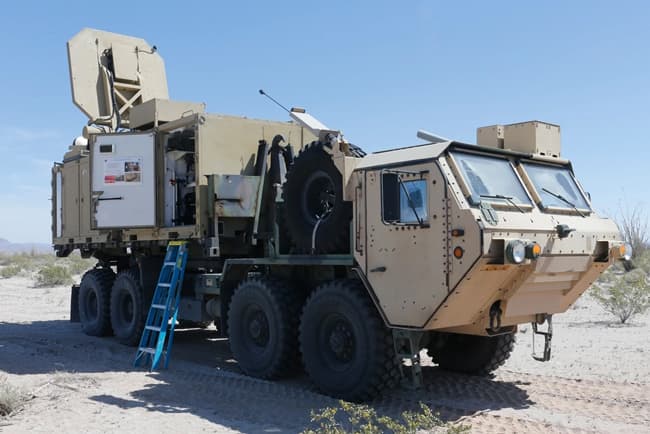
The weapon, officially known as the Active Denial System and deployed atop an eight-wheels armored vehicle, emits an invisible beam of electromagnetic energy that heats the surface of the skin, causing an intense burning sensation intended to make people move away from the beam.
CNN reported Oct. 21 that Defense Secretary Pete Hegseth approved a seven-month loan of the system to DHS for testing and the development of tactics for possible border operations. The authorization does not mean the weapon has been approved for operational deployment.
The Southern Border Communities Coalition (SBCC), a network of organizations advocating for border communities, condemned the decision, calling it another step toward increased militarization of the region.
According to the U.S. military, the beam can reach more than half a mile. Officials have described the resulting sensation as intense but temporary, although advocates have raised concerns about potential injuries and other health effects.
The technology was considered for possible use at the southern border during the first Trump administration and was also discussed as a potential response to protests in 2020. Those proposals did not result in its use in those situations.
“Customs and Border Protection is already infamous for abuse and violence,” said Ricky Garza, SBCC’s border policy counsel. “The last thing they need is more untested dangerous military equipment.”
Pedro Rios, director of the American Friends Service Committee’s U.S.-Mexico Border Program, said the decision risks normalizing the use of painful force against migrants and border residents.
“The United States has an obligation to welcome people with dignity, but instead, it’s choosing to inflict pain with untested military weapons,” Rios said.

Jovanny Sebastian Hernandez, SBCC co-chair and campaign manager for the New Mexico Dream Team, also criticized the authorization, arguing that border security should address the needs of communities on both sides of the border rather than rely on additional military equipment.
“My home is not a war zone,” Hernandez said.
SBCC also cited concerns raised by Physicians for Human Rights about the potential short- and long-term medical effects of weapons designed to cause intense physical discomfort.
The federal government, meanwhile, has defended its broader evaluation of new enforcement technology. U.S. Customs and Border Protection told CNN that it continually evaluates technologies intended to improve operational effectiveness and strengthen its capabilities. The agency’s statement did not address the specific health concerns raised by advocates.
The testing authorization comes amid broader disputes over the expanding military role in border enforcement. Advocates argue that border communities should not become testing grounds for military equipment and that enforcement policies must respect the safety and rights of migrants and residents.
The Pentagon’s authorization permits DHS to test the system and develop possible tactics. Whether the department ultimately seeks to deploy the weapon along the border remains an open question.